
Define the Audience
Start with the professionals, organizations and markets relevant to the project.
Data Fox helps businesses build targeted B2B contact databases around specific industries, job functions, seniority levels, locations, company criteria and required data fields.
Instead of treating business data as a one-size-fits-all product, our approach begins with understanding the audience a customer needs to reach and the information required for that project.
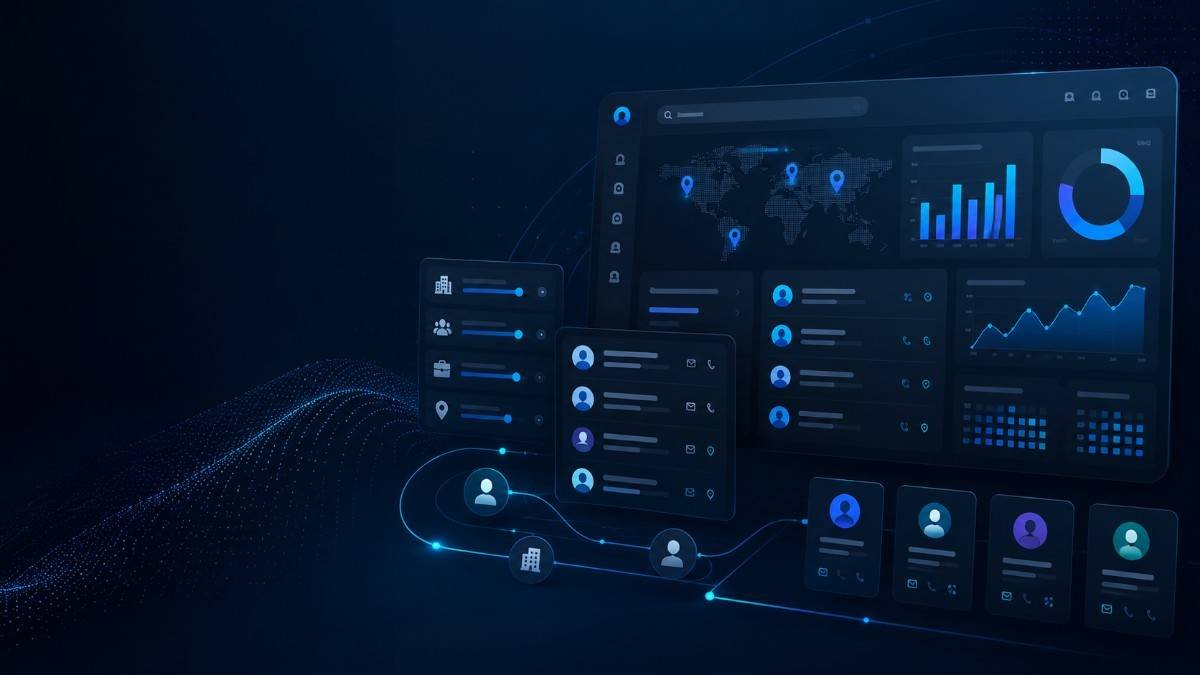
Data Fox provides B2B email lists, business contact data and custom database solutions for organizations that need to identify relevant companies and professional decision-makers.
Projects can be built around combinations of industry, job title, department, seniority, geography, company characteristics and required data fields.
Our goal is to make the targeting criteria, available database structure and data preparation process easier for customers to understand before they move forward.
Start with the professionals, organizations and markets relevant to the project.
Organize relevant contact and company fields around the agreed requirements.
Apply applicable research, standardization, verification and quality checks.
Data Fox supports business data projects that require clearly defined audience criteria rather than a generic one-size-fits-all database.
Identify relevant professionals and business decision-makers across targeted companies, sectors and geographic markets.
Build professional audiences around job functions, company characteristics, seniority and location requirements.
Define specific targeting requirements and structure the database around the needs of the individual project.
Apply research, standardization, duplicate review, applicable verification and final quality checks.
A B2B data project begins with clear audience criteria and progresses through research, review, standardization and final database preparation.
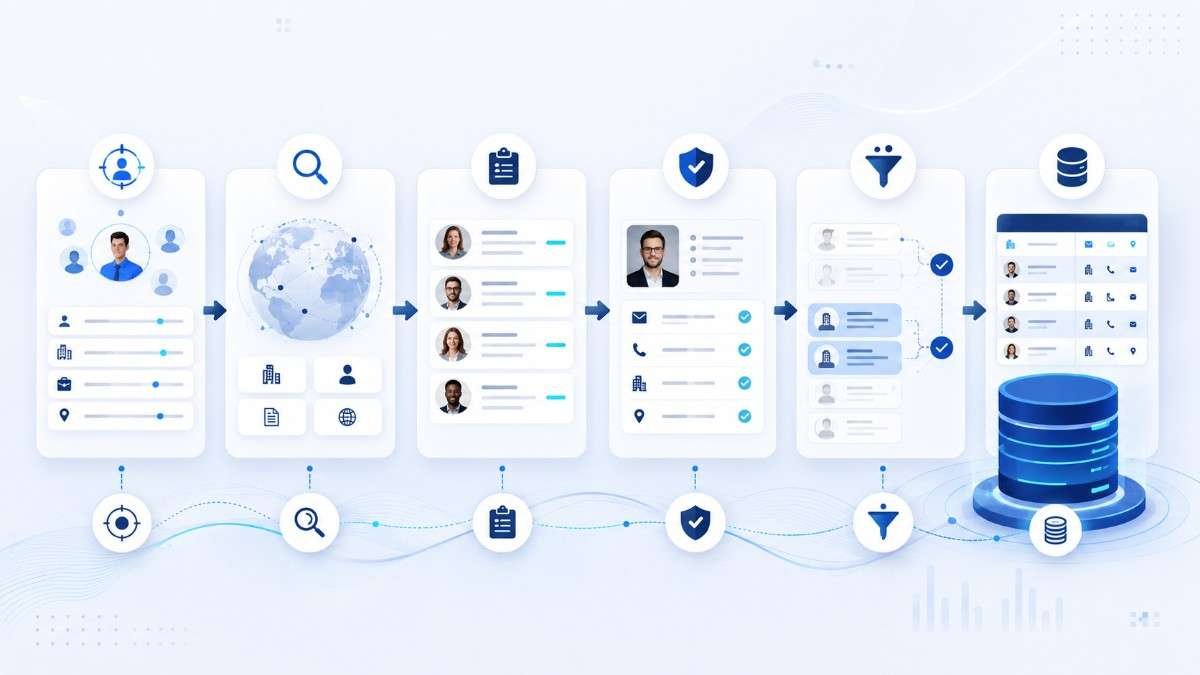
Multiple targeting dimensions can be combined to create a more relevant business audience for the project.
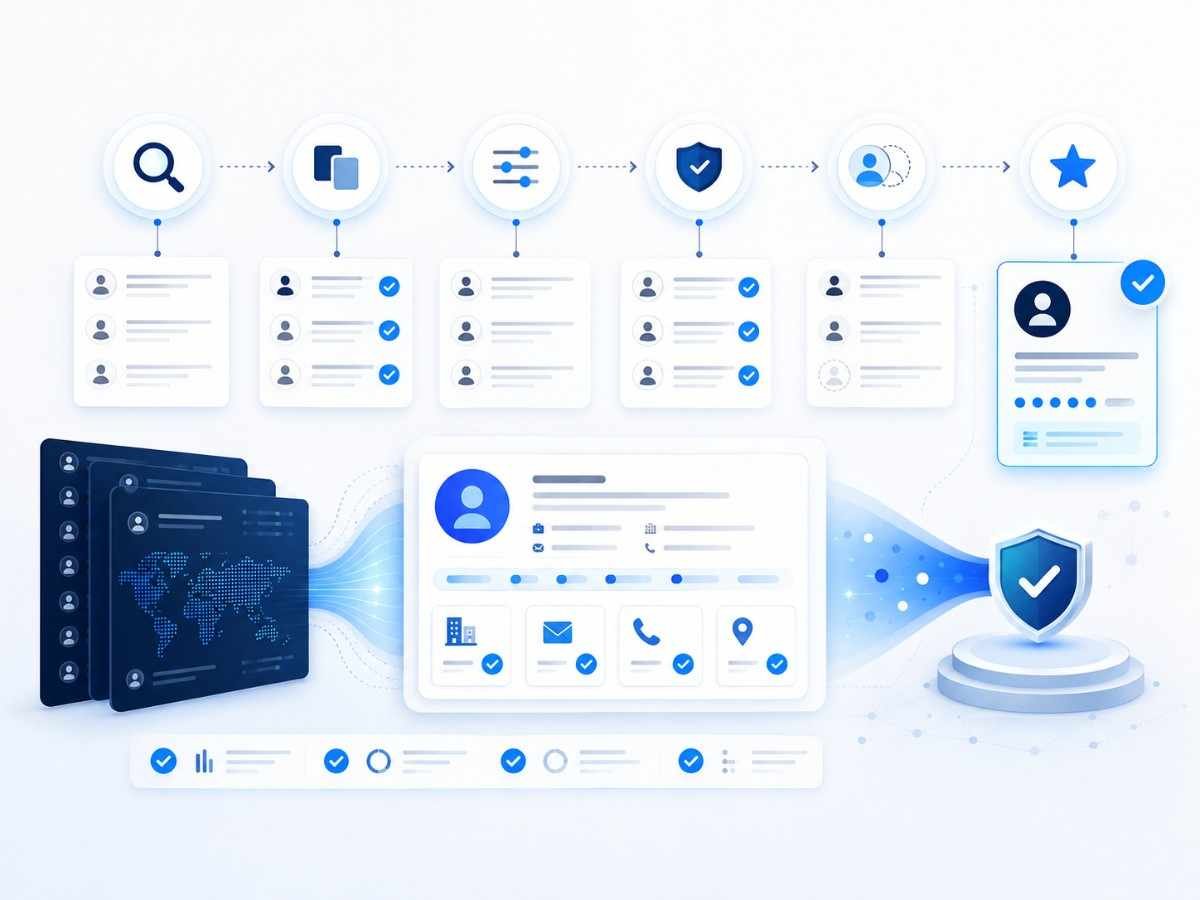
Business information changes continuously. Employees change roles, companies relocate, email environments change and organizations restructure.
For that reason, Data Fox treats data quality as an ongoing research and review process rather than claiming that business information can remain permanently accurate.
Transparent B2B data practices include explaining both what a data-quality process can help with and what no responsible provider should promise permanently.
For applicable projects, prospective customers can request representative sample records and available audience counts before discussing the complete database.
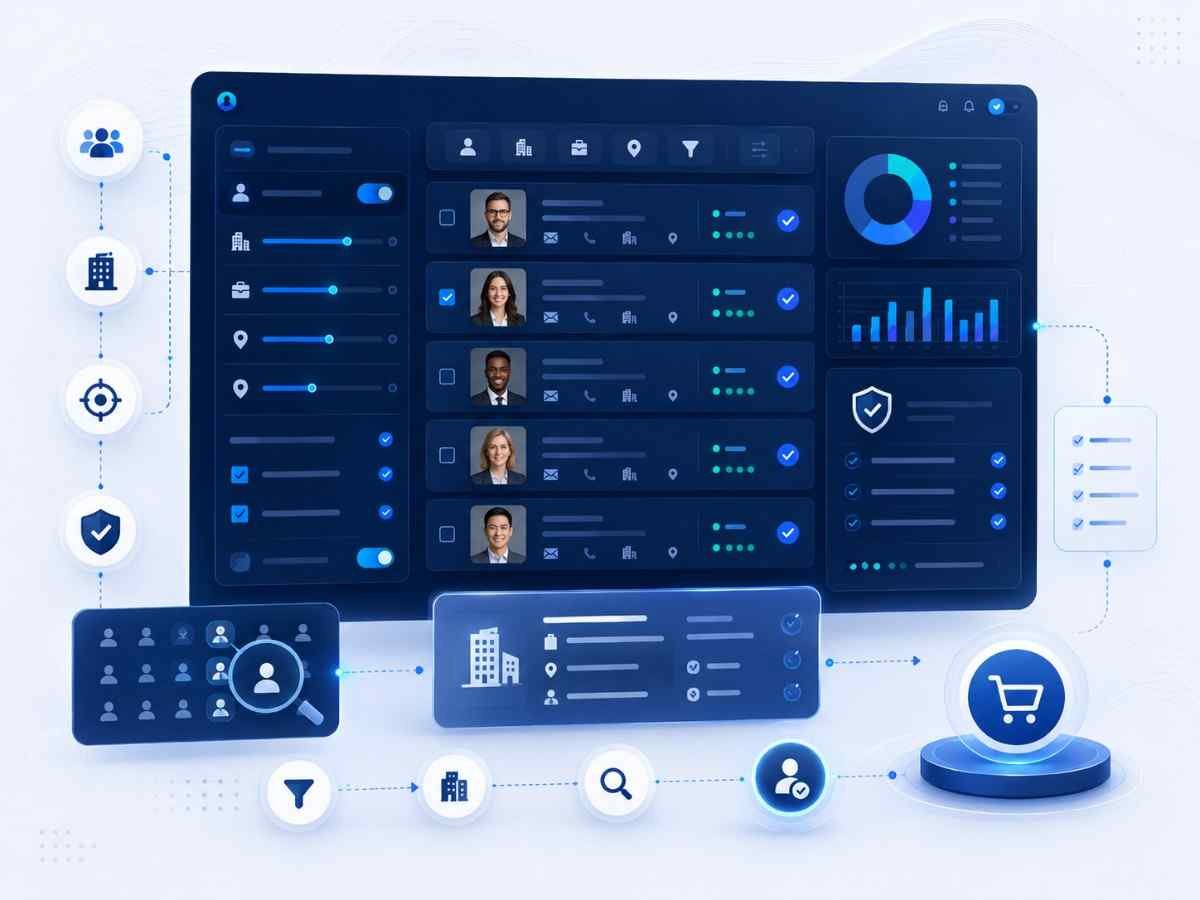
Business contact information should be used responsibly and in accordance with requirements applicable to the customer's own activities and jurisdiction.
Maintain appropriate processes for applicable unsubscribe and do-not-contact requests.
Use suppression information to help prevent applicable opted-out contacts from being reintroduced.
Business outreach should not rely on deceptive identities, misleading subject lines or impersonation.
Restrict database access to authorized personnel and use reasonable safeguards.
Build targeted prospect and account audiences.
Support segmented B2B outreach and campaign planning.
Identify relevant professional audiences where appropriate.
Structure business datasets around specific research criteria.
Build professional audiences relevant to events and conferences.
Research organizations, executives and potential partners.
Start with who needs to be reached rather than simply promoting the largest possible generic database.
Make the research, standardization, verification and quality-review process easier to understand.
Allow prospective customers to review representative records where samples are available.
Provide clear privacy, suppression and acceptable-use processes alongside business data services.
Clear company information helps customers, website visitors and individuals understand who operates Data Fox and how to contact us.
Review our methodology, privacy practices and customer use policies in more detail.
See how business data is researched, structured and reviewed.
Learn More → 02 Privacy PolicyUnderstand how Data Fox handles applicable information and privacy requests.
Learn More → 03 Opt-Out & Data RemovalSubmit an applicable suppression, deletion, correction or access request.
Learn More → 04 Acceptable Use PolicyReview responsible-use requirements for Data Fox products and services.
Learn More → 05 Terms & ConditionsReview the general terms governing orders, services and data use.
Learn More →Data Fox provides B2B email lists, business contact data and custom database solutions built around defined industries, professional roles, geography, company criteria and project requirements.
Available fields depend on the project and may include professional contact information, company information, job titles, geographic details and other applicable business attributes.
Yes. Customers can describe their target industry, professional audience, geography, company criteria and required data fields so the available project scope can be reviewed.
Targeting can include industry, job function, title, seniority, geography, company characteristics and combinations of multiple criteria.
Depending on the project, the process can include research, source review, standardization, verification, duplicate identification, suppression checks and final quality review.
Representative sample records may be available for applicable projects so prospective customers can review data structure and targeting alignment before discussing the complete database.
Yes. Business information can change after review or delivery because professionals change roles, companies restructure and contact information can change over time.
Applicable privacy, suppression, deletion, correction or access requests can be submitted through the Data Fox Opt-Out & Data Removal page.
Tell Data Fox the industry, job titles, geography, company criteria and data fields you need. We can review the targeting requirements and available audience coverage.